
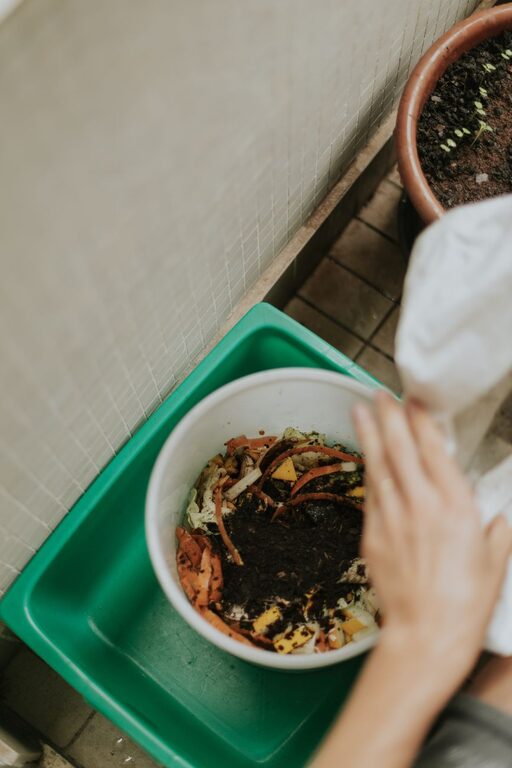
Composting at home is a fantastic way to reduce waste, enrich your garden soil, and support a healthier environment. If you’re new to composting, don’t worry—getting started is simpler than you might think. This guide will walk you through beginner-friendly tips to help you create and maintain a successful compost pile or bin right in your backyard or even indoors.
Why Compost at Home?
Before diving into how to compost, it’s helpful to understand why it matters. Composting reduces the amount of organic waste sent to landfills, where it would produce methane—a potent greenhouse gas. Instead, composting breaks down food scraps and yard waste into rich, dark humus that nourishes plants naturally, reducing the need for chemical fertilizers.
Getting Started: Choose Your Composting Method
There are several ways to compost at home. Pick the method that fits your space and lifestyle:
– Compost Bin: A contained system ideal for most backyards. It keeps the compost tidy and can speed up the process.
– Compost Pile: Simply pile your materials in a corner of your yard. It requires more space and management but is low-cost.
– Tumbler Composters: These rotating bins make turning compost easy and are great for small spaces.
– Indoor Composting: Bokashi bins or worm composting (vermicomposting) are great options for apartments or homes without outdoor space.
What Materials Can You Compost?
Successful composting depends on balancing two types of materials:
Greens (Nitrogen-Rich)
These materials provide nitrogen, which helps microbes grow and break down organic matter:
– Fruit and vegetable scraps
– Coffee grounds and filters
– Tea bags (without synthetic materials)
– Fresh grass clippings
– Plant trimmings
Browns (Carbon-Rich)
Browns provide carbon, which acts as energy for decomposers and helps with aeration:
– Dry leaves
– Straw or hay
– Shredded newspaper or cardboard (avoid glossy paper)
– Wood chips or sawdust (from untreated wood)
– Eggshells (crushed)
Avoid composting meat, dairy, oils, or pet waste as they can attract pests and cause odors.
Step-by-Step Composting Tips for Beginners
1. Start with the Right Location
Choose a dry, shaded spot with good drainage. If using an indoor method, find a well-ventilated area.
2. Layer Your Materials
Begin with a layer of coarse browns like small branches or straw to help aeration at the bottom. Then alternate layers of greens and browns. Aim for about three parts browns to one part greens.
3. Keep It Moist
Your compost pile should be about as damp as a wrung-out sponge. Add water if it’s too dry, or add more browns if it’s too wet and smelly.
4. Turn the Pile Regularly
Aeration speeds up decomposition and prevents odors. Use a garden fork or compost aerator to turn your pile every 1-2 weeks for outdoor bins. Tumblers are designed to make turning easier.
5. Monitor Temperature
Active composting generates heat. A hot pile (between 130-160°F) breaks down materials quickly and kills weed seeds. If the pile cools down, turning it and adding fresh greens can help.
6. Be Patient
Depending on conditions and materials, composting can take anywhere from a few weeks to several months. Finished compost looks dark, crumbly, and earthy, without recognizable food scraps.
Common Composting Challenges and Solutions
– Bad Odor: Usually caused by too much moisture or lack of air. Turn the pile and add dry browns.
– Pests: Avoid meat, dairy, and oily foods. Use a closed bin or cover scraps with browns.
– Slow Decomposition: Add more greens for nitrogen, turn the pile to add oxygen, and make sure it’s moist.
– Too Dry: Spray water to moisten your pile.
Recycling Your Compost
Once your compost is ready, use it in your garden beds, pots, or lawn. Mix it with soil to improve texture, water retention, and provide natural nutrients that help plants thrive.
Final Thoughts
Composting is an eco-friendly habit that benefits your garden and the planet. Start small, be consistent, and adjust as you learn what works for your space. With these beginner tips, you’re well on your way to creating nutrient-rich compost that turns waste into a valuable resource.
Happy composting!
